
Danielle McGuire
Danielle McGuire Danielle McGuire, PhD, is an award-winning historian, public speaker and author of At the Dark End of the Street: Black Women, Rape and Resistance-a New History of the Civil Rights Movement from Rosa Parks to the Rise of Black Power (Knopf), which won the Frederick Jackson Turner Award and the Lillian Smith Book Award. She is the recipient of the Lerner Scott Prize for best dissertation in women’s history. Her Journal of American History article, “It was Like We Were All Raped: Sexualized Violence, Community Mobilization and the African American Freedom Struggle,” won the A. Elizabeth Taylor Prize for best essay in southern women’s history and was reprinted in the Best Essays in American History. She is the editor with John Dittmer of Freedom Rights: New Perspectives on the Civil Rights Movement; and wrote the foreword for John Hersey’s The Algiers Motel Incident. Her published essays also appear in Detroit 1967: Origins, Impacts, Legacies; U.S Women’s History: Untangling the Threads of Sisterhood; Other Souths: Diversity and Difference in the U.S. South Reconstruction to the Present; and Bayard Rustin: a Legacy of Protest and Politics.
McGuire is a Distinguished Lecturer for the Organization of American Historians and has appeared on PBS, CNN, MSNBC, Headline News, National Public Radio, BookTV, and dozens of local television and radio stations throughout the United States. Her popular essays have appeared in the Los Angeles Review of Books, the Detroit Free Press, Bridge Magazine, Washington Post, Huffington Post and CNN.com. She serves as a consultant on documentary films such as The Rape of Recy Taylor and You Belong to Me: The Ruby McCollum Story. She helps curate educational historical tours and civil rights related curricula for secondary schools and serves on the advisory board of History Studio. She is currently at work on a book about police violence in Detroit in 1967, to be published by Knopf.


Current Project:
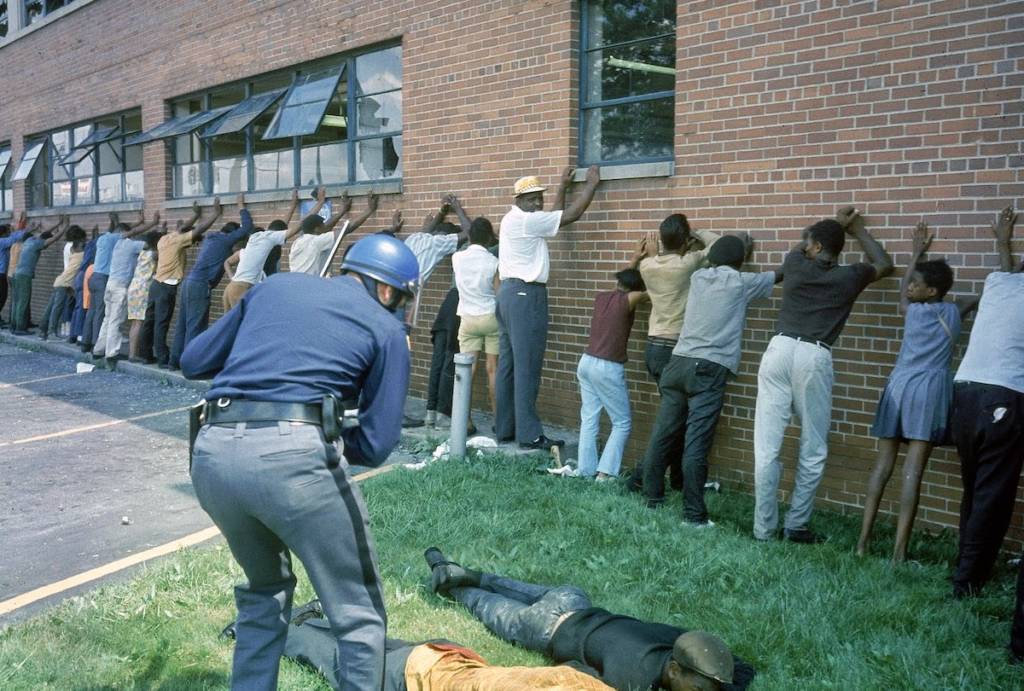
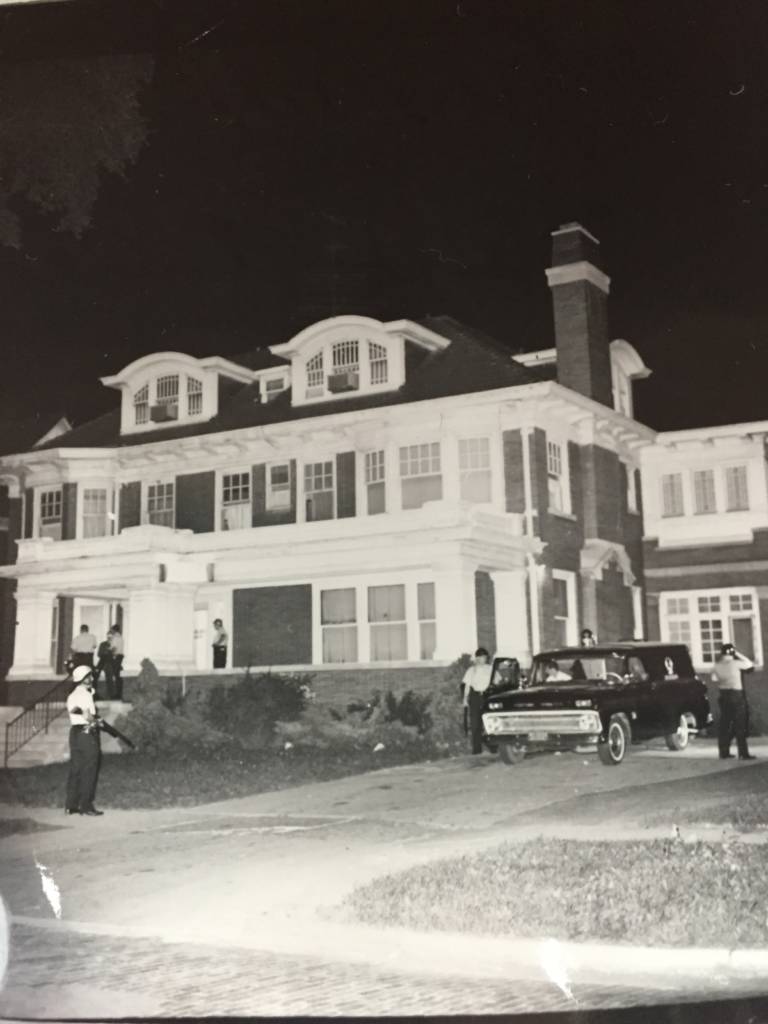
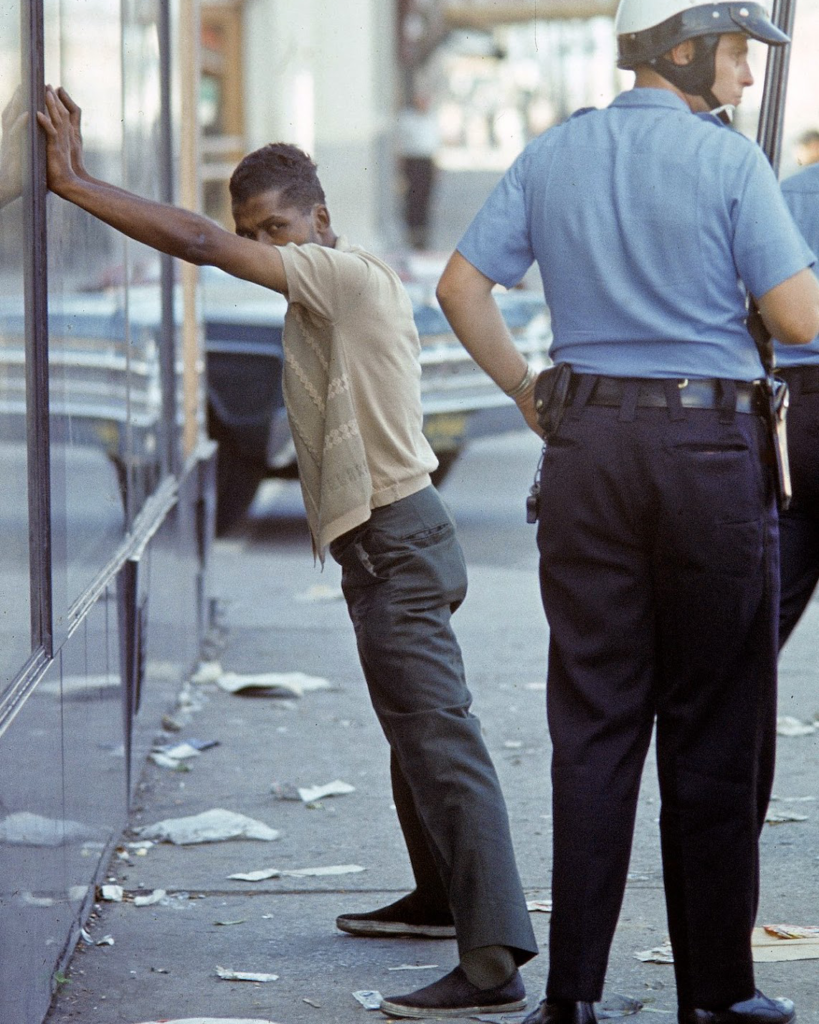
Murder in the Motor City: The 1967 Detroit Riot and American Injustice
The story of the Algiers Motel murders and subsequent trials, the main narrative thread of Murder in the Motor City, captures, in its tragic horror, the often hidden infrastructure of northern racism and white supremacy. From rabid residential segregation and job discrimination to racialized and sexual violence to ecumenic and educational disparities and the everyday injustices and biased sentencing in the judicial system, racial inequality and segregation in Detroit was every bit as virulent as it was in the South. Maybe even worse.


You must be logged in to post a comment.